
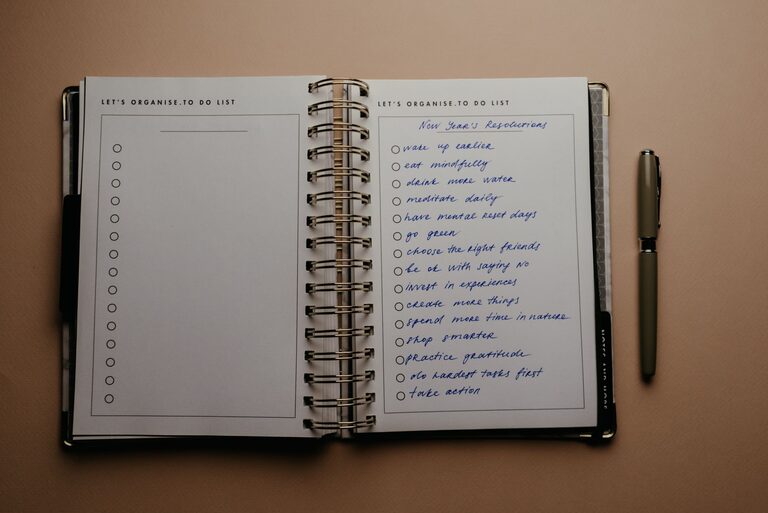
Building a habit is often easier when you can see your progress. Habit tracking turns an invisible routine into something clear and measurable. It can help you notice patterns, stay focused, and make small improvements without relying on motivation alone.
The goal is not to create a perfect record. Instead, habit tracking should make it easier to repeat actions that support your priorities. With a simple system and realistic expectations, you can build consistency one day at a time.
Start With One Clear Habit
Many people begin by trying to change several parts of their routine at once. This can make the process difficult to manage. A better approach is to start with one habit that is specific and easy to understand.
For example, “exercise more” is a broad goal. “Walk for 15 minutes after lunch” is a clear habit that you can track. The more precise the action, the easier it is to know whether you completed it.
When choosing a habit, ask:
– What exact action do I want to repeat?
– When or where will I do it?
– How will I know that I completed it?
– Why does this habit matter to me?
A clear reason can help you continue when the habit feels less exciting. Choose a reason that is personal and practical, such as having more time for a hobby, keeping your space organized, or making room for learning.
Make the Habit Small at First
A habit should be challenging enough to matter but small enough to repeat. Starting with a simple version reduces the effort required to begin.
If your goal is to read regularly, start with five pages. If you want to write, begin with one paragraph. If you want to keep your home tidy, put away five items. These small actions may seem modest, but they create a reliable starting point.
Once the habit becomes familiar, you can gradually increase the time, amount, or difficulty. This approach helps you focus on repetition before performance.
A useful question is: “What is the smallest version of this habit that still counts?” Your answer can become your minimum commitment for busy days.
Choose a Tracking Method
The best tracking method is one you will actually use. There is no need to choose a complicated app or detailed system if a simple checklist works better.
Common options include:
Paper Calendar
Mark each completed habit on a calendar. A checkmark, dot, or short note is enough. This method gives you a quick visual record and requires no special tools.
Notebook
Use one page per week or month. Write the habit at the top and record completion below it. You can also add a brief note about your energy, schedule, or obstacles.
Mobile App
A habit app can send reminders, display streaks, and organize several habits in one place. Choose an app with features that support your routine rather than distract from it.
Spreadsheet
A spreadsheet is useful if you enjoy reviewing patterns. You can record dates, completion status, and notes. Keep the layout simple so tracking does not become a project of its own.
Whichever method you choose, make the record quick to update. If it takes several minutes each day, you may be less likely to maintain it.
Connect the Habit to an Existing Routine
One of the easiest ways to remember a new habit is to connect it to something you already do. This is sometimes called habit pairing.
For example:
– After making coffee, review your daily priorities.
– After brushing your teeth, prepare clothes for the next day.
– After lunch, take a short walk.
– Before opening entertainment apps, complete one important task.
The existing routine acts as a reminder. It also gives the new habit a natural place in your day. Choose a connection that happens regularly and is easy to recognize.
Use Reminders Wisely
Reminders can support consistency, especially during the early stages of a habit. Set an alarm, place a note where you will see it, or keep the necessary item in a convenient location.
For example, place a book beside your chair, keep a water bottle near your workspace, or put your notebook next to your computer. This reduces the number of steps between remembering the habit and starting it.
Avoid creating too many reminders at once. Several alerts can become background noise. Begin with one reminder and adjust it if it does not work.
Focus on Consistency, Not Perfection
A missed day does not erase your progress. Life includes busy schedules, unexpected changes, and days when your usual plan is not practical. The important step is returning to the habit instead of treating one missed action as failure.
Try using the “never miss twice” rule. If you skip a habit one day, make a simple plan to complete it the next day. You do not need to make up for the missed action with extra work. Just return to the regular routine.
It can also help to define backup versions of your habit:
– Read one page instead of a full chapter.
– Stretch for two minutes instead of completing a long session.
– Write one sentence instead of a full page.
– Organize one small area instead of the entire room.
A backup version keeps the habit connected to your daily identity, even when circumstances change.
Review Your Progress Regularly
Tracking gives you information, but a regular review helps you use it. Once a week, spend a few minutes looking at your record.
Consider these questions:
– How often did I complete the habit?
– Which days or times worked best?
– What made the habit easier?
– What usually got in the way?
– Is the habit still realistic?
– Should I change the reminder, timing, or minimum version?
Look for patterns rather than judging yourself. If you often miss a habit in the evening, try moving it to the morning. If the habit takes longer than expected, reduce its starting size. A useful tracking system should help you adjust your plan.
Track Quality When It Matters
A simple yes-or-no record works well for many habits. However, some activities benefit from a little more detail. You might track duration, quantity, or a short description.
For example, instead of only recording whether you practiced a skill, note how many minutes you practiced. Instead of marking a planning habit as complete, write down the main task you selected.
Do not track more information than you need. Extra details are useful only when they help you make better decisions. If they create pressure or take too much time, simplify the system.
Celebrate Progress in Practical Ways
Recognition can make a routine more rewarding. After completing a milestone, acknowledge the effort with something that supports your goals. You might take a relaxing break, enjoy a favorite activity, or update your progress chart.
Avoid making the reward so complicated that it becomes another task. A simple moment of recognition can be enough. You can also celebrate non-streak achievements, such as returning after a break, completing a difficult version of the habit, or improving your planning.
Build a System You Can Maintain
Long-term consistency depends on making the habit fit your life. Keep the process visible, simple, and flexible. Start with one clear action, track it in a convenient way, and review the results regularly.
The purpose of habit tracking is not to create pressure or produce a perfect record. It is to help you understand your behavior and make repetition easier. Small actions, repeated often, can become a reliable part of your routine.