Creativity is not limited to artists, writers, or musicians. It is a useful way of thinking that can help you solve problems, notice new possibilities, and express your ideas. The good news is that creativity does not require hours of free time or expensive supplies. Small, regular actions can help you build a more creative mindset.
The key is to make creativity simple and approachable. Instead of waiting for inspiration, create small opportunities to explore, experiment, and play each day.
Start with a five minute creative habit
A short practice is often easier to maintain than a large project. Set aside five minutes at a convenient time, such as after breakfast, during a break, or before bed. Use this time to make something without worrying about the result.
Try one of these quick activities:
– Write a short description of something nearby
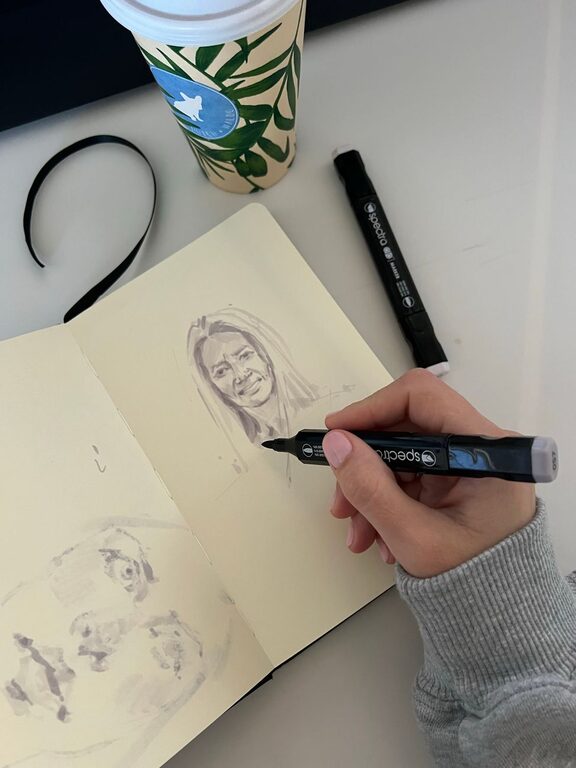
– Sketch an object on your desk
– Take a photo of an interesting pattern
– Make a list of unusual uses for a common item
– Create a short melody by humming or tapping
– Rearrange a small area of your room
– Invent a name for a fictional character
The goal is not to produce impressive work. The goal is to practice beginning. Over time, a small daily habit can make creative activities feel more natural.
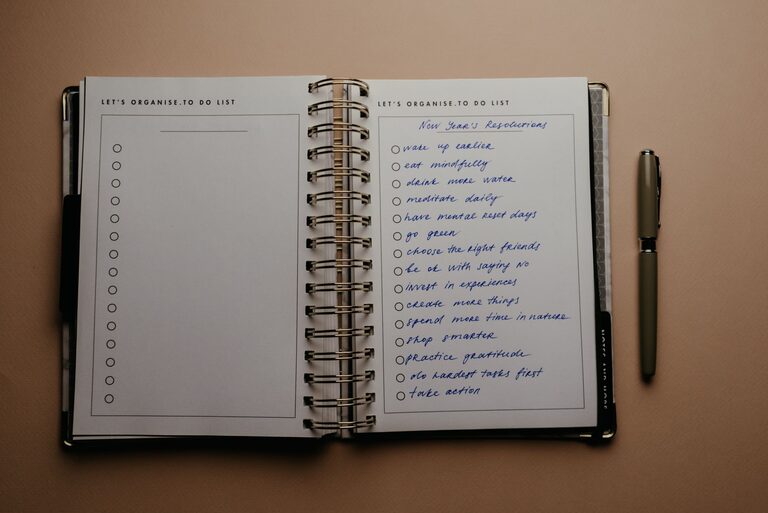
Keep a creativity notebook
A notebook gives your ideas a place to land. It can be a traditional paper notebook, a notes app, or a simple document on your computer. Keep it easy to access so you can record thoughts as they appear.
You can use your notebook to collect:
– Interesting words or phrases
– Questions you would like to explore
– Sketches and diagrams
– Ideas for stories, projects, or meals
– Observations from your day
– Quotes that spark your curiosity
– Problems that might have several solutions
Do not worry about organizing everything immediately. A creativity notebook is allowed to be messy. You can review it later and highlight ideas that still interest you.
Use prompts when you feel stuck
A blank page can feel difficult because it offers too many choices. A prompt provides a starting point and makes it easier to take the first step.
Try prompts such as:
– What would this room look like in a different season?
– Describe a familiar object without naming it.
– Combine two unrelated activities into one new idea.
– Write about a place you have never visited.
– Draw something using only five lines.
– Create three solutions to a minor everyday problem.
– Finish the sentence, “If I could redesign this, I would…”
You can also choose a random word from a book or a sign and use it as the beginning of a drawing, paragraph, or idea list. A prompt does not need to be clever. It only needs to help you start.
Change your surroundings
New surroundings can encourage new observations. You do not need to travel far. Take a different route on a walk, work in another room, visit a local library, or sit in a part of a park you do not usually use.
As you move through a familiar place, look for details you normally ignore:
– Colors and textures
– Sounds in the background
– Shapes and shadows
– The way people use a space
– Objects that seem out of place
– Changes in weather or light
Try describing what you see without judging it. Careful observation gives you more material to use in writing, drawing, photography, design, and problem-solving.
Give yourself creative limits
It may seem that creativity needs complete freedom, but limits can make ideas easier to develop. A small rule gives your mind something specific to work with.
For example, you could:
– Write a story in 100 words
– Use only two colors in a drawing
– Take five photos of one object
– Create a meal using three main ingredients
– Describe a scene without using adjectives
– Build something from recycled materials
– Solve a task using a different method than usual
Limits can also save time. Instead of asking, “What should I make?” you can ask, “What can I make with these materials and this amount of time?”
Turn ordinary tasks into creative exercises
Daily routines offer many opportunities to think differently. When you are preparing food, organizing a room, planning a trip, or writing a message, pause and look for another option.
Ask yourself:
– Can I make this simpler?
– Is there a more enjoyable way to do it?
– What would a beginner try?
– What would I change if I had fewer resources?
– How could I explain this to a child?
– What would happen if I reversed the usual order?
These questions can turn routine tasks into small design challenges. They may also help you discover practical improvements in your everyday life.
Practice collecting, not just creating
Creativity grows from paying attention to the world around you. Collect examples of things that interest you, such as packaging, illustrations, room layouts, signs, songs, recipes, or interesting conversations.
Create a folder or board for these references. You might organize them by color, mood, subject, or project. Reviewing your collection can help you notice patterns and generate new combinations.
Remember that collecting is not the same as copying. Use references as starting points, then add your own viewpoint, purpose, and experience.
Make room for playful experiments
Play removes some of the pressure to be useful or perfect. Try activities that have no clear practical purpose, such as drawing with your non-dominant hand, making up new words, folding paper, arranging objects by color, or creating a sound pattern with household items.
You can also experiment with familiar tools in unfamiliar ways. Use a camera to study shadows, a notebook to draw maps, or a word processor to create a list of questions instead of paragraphs.
Playful experiments remind you that there is more than one way to use a tool or approach a task.
Share your work in a comfortable way
Sharing can make creative practice more meaningful, but it does not have to mean publishing everything publicly. Show a sketch to a friend, read a short passage to someone you trust, or exchange ideas with a small group.
You can also share by:
– Joining a local class or workshop
– Taking part in a friendly creative challenge
– Starting a small project with a partner
– Leaving thoughtful feedback on someone else’s work
– Keeping a personal record of your progress
Focus on connection and learning rather than approval. Helpful feedback can give you new directions, while supportive relationships can make it easier to continue.
Let imperfect work count
One of the biggest obstacles to daily creativity is the belief that every result must be good. In reality, practice includes awkward drafts, unfinished sketches, weak ideas, and experiments that do not work.
Treat these results as information. They show you what you enjoy, what you want to improve, and what you might try differently next time. If you wait for perfect conditions or perfect ideas, you may create less often.
Set a modest goal, such as making one small thing each day. At the end of the week, look back at what you tried. Notice which activities gave you energy and which ones you would like to change.
Build a routine that fits your life
The best creative routine is one you can repeat. Choose activities that match your schedule, interests, and available materials. Some days may allow only five minutes, while other days may offer more time.
A simple weekly plan could include:
– Monday: Write a short observation
– Tuesday: Take a photo of an unusual detail
– Wednesday: Sketch an everyday object
– Thursday: Try a new solution to a routine task
– Friday: Collect an inspiring reference
– Saturday: Work on a longer project
– Sunday: Review your ideas and choose one to continue
Creativity becomes easier when it is treated as a regular part of life rather than a special event. Start small, stay curious, and give yourself permission to experiment. With consistent practice, ordinary moments can become useful starting points for new ideas.