
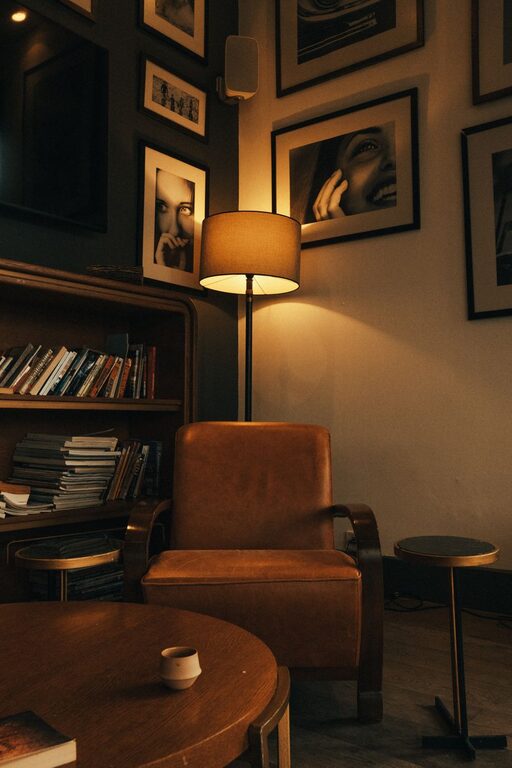
A cozy reading corner can turn even a small, unused area into a favorite place to relax. Whether you enjoy novels, magazines, essays, or audiobooks, a dedicated spot makes it easier to slow down and enjoy your reading time.
The best reading corners do not need to be large or expensive. With a comfortable seat, good lighting, and a few thoughtful details, you can create a peaceful retreat that fits your home and your routine.
Choose the Right Location
Start by looking for a space that feels naturally calm. A reading corner can fit beside a window, in an empty bedroom corner, at the end of a hallway, or next to a bookshelf. You may even be able to use a section of a living room without changing the entire layout.
Consider these factors when choosing your location:
– Natural light during the day
– Distance from noisy appliances or busy walkways
– Enough room for a chair and small table
– Access to an electrical outlet for a lamp
– A comfortable temperature throughout the year
– A pleasant view or calming wall
A window seat is an appealing option because it provides daylight and a connection to the outdoors. However, direct sunlight can make a room too warm or cause glare on screens and glossy pages. If needed, add light curtains or adjustable blinds.
If your home has limited space, look for overlooked areas. A wide landing, a corner beneath a staircase, or a quiet section of a home office may work well. The goal is to create a clear sense of purpose, even if the area is compact.
Select Comfortable Seating
The chair is the centerpiece of a reading corner, so comfort should be your first priority. A chair that looks attractive but offers poor support will not encourage long reading sessions.
Try sitting in a chair before buying it whenever possible. Check whether your feet rest comfortably on the floor and whether the back supports your posture. A seat that is too deep may feel relaxing at first but can become uncomfortable over time.
Good seating options include:
– An upholstered armchair
– A compact lounge chair
– A cushioned window seat
– A small loveseat
– A supportive rocking chair
– A floor cushion with a firm back pillow
Choose a size that fits the space without making the area feel crowded. Leave enough room to stand up easily and move around the chair. If you like to stretch your legs, consider adding a small ottoman or footstool.
A seat cushion can make a simple chair more inviting. Look for a cushion that holds its shape rather than one that becomes flat quickly. A washable cover is especially useful in homes with children or pets.
Add the Right Lighting
Good lighting helps create a welcoming atmosphere and makes reading more comfortable. Ideally, your reading corner should have both natural light and a dedicated lamp for evenings or cloudy days.
A floor lamp works well beside an armchair, while a table lamp is useful if you have a side table. An adjustable lamp allows you to direct light toward your book without shining it directly into your eyes.
When choosing a reading light, consider:
– The height of the lamp
– Whether the shade reduces glare
– How easily the light can be switched on
– The amount of space available
– Whether the brightness can be adjusted
Warm, soft light can make the corner feel relaxing, but it should still be bright enough to illuminate the page. If the light is too dim, you may find yourself leaning forward or straining to read.
For a modern touch, use a lamp with several brightness settings. Smart bulbs can also provide adjustable brightness, although a simple lamp can be just as effective.
Include a Small Surface
A small table beside the chair adds convenience without taking up much space. It gives you a place to set down a book, a pair of glasses, a cup, or a reading journal.
Choose a table that is close to the height of the chair arm. This makes it easy to reach without stretching. A round table can soften the look of a corner, while a narrow rectangular table may fit better in a tight space.
If floor space is limited, try one of these alternatives:
– A wall-mounted shelf
– A slim nesting table
– A small rolling cart
– A storage ottoman with a flat top
– A narrow pedestal table
Keep the surface useful rather than crowded. A small tray can help organize everyday items and make it easy to clear the table when needed.
Plan Practical Book Storage
Books are part of the character of a reading corner, but too many shelves can make a small area feel crowded. Think about how many books you actually want within reach.
A compact bookcase beside the chair is a classic choice. Floating shelves can display a small collection while keeping the floor open. A basket can hold magazines, newspapers, or books you are currently reading.
You can also organize books by purpose:
– Current reads
– Favorites
– Books to read next
– Reference books
– Seasonal selections
Avoid filling every shelf. Leaving some open space helps the area feel calm and makes it easier to add or remove books. If you have a large collection, keep only your current favorites in the reading corner and store the rest elsewhere.
Layer in Soft Textures
Textiles make a reading corner feel warm and comfortable. Add a throw blanket over the chair or place a soft rug beneath it. One or two pillows can provide extra support and introduce color without overwhelming the space.
When choosing fabrics, think about how the materials feel as well as how they look. Cotton, linen, wool, and soft woven fabrics can add visual warmth. For easy care, choose machine-washable covers or fabrics that can be cleaned with a vacuum or brush.
A rug can help define the reading area, especially when the chair is part of a larger room. Select a size that allows at least the front legs of the chair and table to sit on the rug. In a small space, a compact round or rectangular rug may be enough.
Use Color and Personal Details
Your reading corner should reflect your preferences while still fitting naturally into the rest of your home. You do not need to redesign the whole room. Instead, use a few coordinating details.
Consider adding:
– A favorite framed print
– A small plant
– A decorative cushion
– A ceramic cup or vase
– A personal bookmark holder
– A simple clock
– A small piece of meaningful artwork
Calm colors such as warm white, soft green, muted blue, beige, and gentle gray can support a restful mood. If your home has a brighter style, use colorful accessories to make the corner feel cheerful and distinct.
Plants can bring life to the space, but choose varieties that suit the available light and your care routine. A low-maintenance plant is often the best choice for a small reading area.
Keep the Space Easy to Maintain
A reading corner should feel relaxing, not like another area that requires constant tidying. Give every item a clear place and avoid adding too many decorations.
Keep a small basket nearby for blankets, chargers, or books that need to be returned to the shelf. Dust the lamp and shelves regularly, and wash fabric covers according to their care instructions.
If the area becomes cluttered, remove anything you do not use regularly. A simple, well-organized corner is often more inviting than one filled with accessories.
Make It Your Own
The most successful reading corner supports the way you enjoy reading. If you like taking notes, keep a notebook and pen nearby. If you prefer long reading sessions, add a footstool and a water bottle. If you often listen to audiobooks, include a small charging station for your device.
Start with the essentials: a comfortable seat, reliable lighting, and a place for your books. Add soft textures and personal details over time. With a little planning, even a small area can become a comfortable retreat for quiet moments at home.