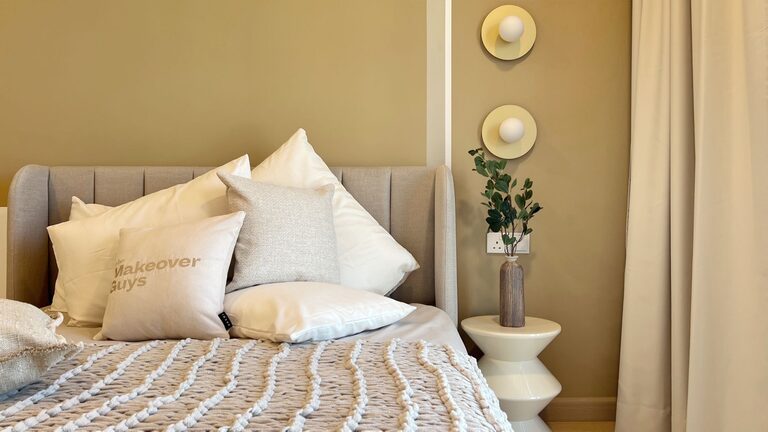
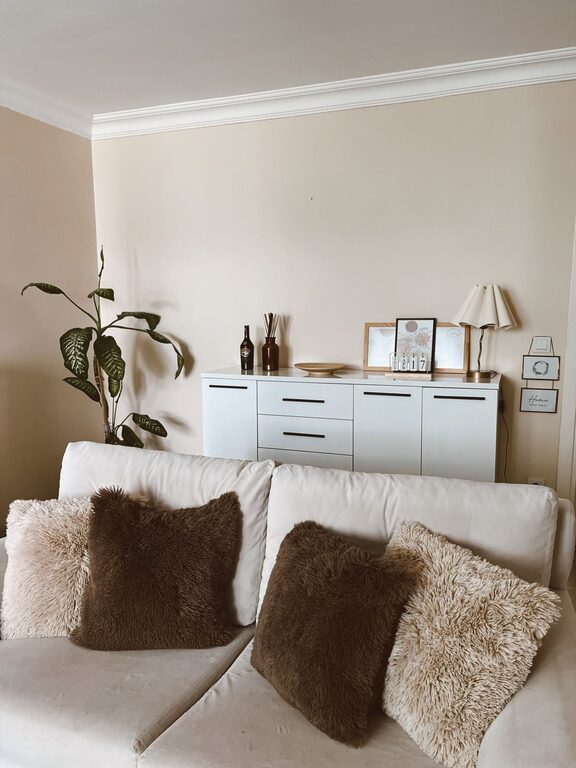
A living room refresh does not require a complete renovation or a large shopping trip. Small, thoughtful changes can make the space feel brighter, more comfortable, and more personal. By working with what you already own and adding a few affordable updates, you can create a room that feels new without stretching your budget.
Start With a Fresh Layout
One of the easiest ways to change the look of your living room is to rearrange the furniture. A new layout can improve the flow of the room and make existing pieces feel different.
Before moving anything, consider how you use the space. Do you need a clear path between the sofa and the door? Would a chair work better near a window? Is the television drawing attention away from a fireplace or a view?
Try these simple layout ideas:
– Move the sofa away from the wall to create a more welcoming arrangement.
– Angle one or two chairs toward the sofa to encourage conversation.
– Place a small table beside an unused corner to create a reading area.
– Shift the rug so that at least the front legs of the main furniture sit on it.
– Rearrange artwork and accessories after moving the furniture.
Take a quick photo of the current setup before you begin. This makes it easier to return everything to its original position if needed. You may also discover that moving just one large piece creates the change you are looking for.
Declutter Before You Decorate
A room often feels refreshed simply because it is less crowded. Before buying anything new, remove items that no longer serve a purpose or fit your style.
Work through the living room one area at a time. Clear the coffee table, sort the items on open shelves, and remove decorations that look worn or out of place. Group similar objects together and keep only your favorites on display.
Use baskets, boxes, or decorative containers to organize everyday items such as:
– Remote controls
– Magazines
– Children’s toys
– Blankets
– Charging cables
– Pet accessories
A tidy room gives new decorations more impact. It also helps you understand what the space actually needs, which can prevent unnecessary purchases.
Refresh Textiles
Soft furnishings are among the most affordable ways to change a room’s color and mood. You do not need to replace a sofa or chair to make the space feel different.
Start with pillow covers rather than complete pillows. Covers take up less storage space and are often less expensive. Choose a small group of colors that work with your existing furniture. For example, add soft blue and cream to a neutral room, or use rust, mustard, and brown for a warmer look.
Other simple textile updates include:
– Adding a folded throw to the back of a sofa
– Replacing heavy curtains with lighter panels
– Layering a small rug over a larger neutral rug
– Using a table runner on a console or media cabinet
– Switching seasonal fabrics, such as wool in winter and cotton in summer
Mixing textures can make the room feel more inviting. Combine smooth fabric with knitted, woven, or slightly nubby materials for visual interest.
Create an Accent Wall
Paint can make a noticeable difference without costing much. If painting the entire room is not practical, focus on one wall.
An accent wall can highlight a fireplace, sofa, bookcase, or television area. Choose a color that complements your existing furniture instead of competing with it. Soft greens, muted blues, warm beige, and gentle terracotta can add personality while remaining easy to live with.
If paint is not an option, consider these alternatives:
– Hang a large fabric panel behind the sofa.
– Arrange removable wall decals in a simple pattern.
– Create a gallery wall using inexpensive frames.
– Use peel-and-stick wallpaper on a small section.
– Display a collection of baskets or woven wall pieces.
Always test a small area before committing to a color or material. Lighting can make the same shade look very different at different times of day.
Update the Lighting
Lighting has a major effect on how a living room feels. A room with only one overhead light can seem flat, while several smaller light sources create a warmer atmosphere.
Add or reposition lamps where possible. A floor lamp beside a chair can create a comfortable reading spot, while a table lamp on a console adds a soft glow. If you already own lamps, refresh them by changing the shades or moving them to a different part of the room.
For an inexpensive update:
– Use warm-toned bulbs for a relaxed feel.
– Add a small lamp to a dark shelf or corner.
– Place a mirror near a lamp to reflect light.
– Use battery-powered lights inside a bookcase.
– Clean light fixtures and bulbs to improve brightness.
Even opening curtains and cleaning windows can make the room feel fresher during the day.
Make a Gallery Wall
A gallery wall adds character and can be created with items you already have. Family photos, postcards, children’s artwork, small prints, and simple fabric samples can all work together.
For a balanced arrangement, place the pieces on the floor first. Try several layouts before putting anything on the wall. Keeping a similar frame color can make different artwork look more coordinated, while varied frames can create a relaxed, collected style.
You do not need to fill a large wall immediately. Start with three or five pieces and add more over time. Another option is to lean framed artwork on a shelf or console, which makes it easy to change the arrangement without adding more holes to the wall.
Bring in Affordable Greenery
Plants can add color, texture, and life to a living room. You do not need a large collection or expensive planters. A single plant in an empty corner can make a strong impact.
Look for low-cost plants at local garden centers, grocery stores, or community plant swaps. You can also use cut branches, dried grasses, or flowers from your yard in a simple vase.
Refresh existing planters by:
– Painting plain pots in a new color
– Placing a pot inside a basket
– Wrapping a container with leftover fabric
– Grouping several small plants together
– Using a decorative bowl for cuttings or dried stems
Choose plants that suit the light available in your room. If caring for live plants is difficult, high-quality artificial greenery can still add a natural touch.
Repurpose What You Already Own
Before shopping, look around your home for items that could serve a new purpose. A bedroom bench might work as a living room coffee table base, while a small stool can become a plant stand or side table.
Consider these repurposing ideas:
– Turn a sturdy wooden crate into a side table.
– Use a serving tray to organize items on the coffee table.
– Display books in small stacks to add height and color.
– Place a decorative bowl on a console for keys and small objects.
– Move artwork from another room into the living room.
– Reuse a vase, basket, or candleholder in a new location.
Sometimes changing an item’s position is all that is needed to make it feel fresh.
Shop With a Plan
If you decide to buy something, choose one or two pieces that solve a specific problem. Avoid purchasing items simply because they are inexpensive. A low-cost item that does not fit your space can create clutter rather than improve the room.
Measure your available space before buying furniture, rugs, or large decorations. Keep a short list of what you need and look for secondhand options, local sales, discount stores, and online marketplaces.
Good budget purchases may include:
– Pillow covers
– A framed print
– A small lamp
– A plant or planter
– A storage basket
– New cabinet hardware
– A washable rug
Focus on flexible pieces that can move with you or work in more than one room. This helps your budget go further and makes future decorating changes easier.
Finish With Small Details
The final touches often make the biggest difference. Straighten books, fold throws neatly, remove packaging, and leave a little open space on shelves and tables. A room feels more polished when each item has room to be appreciated.
Refresh the air by opening windows, cleaning upholstery according to its care instructions, and washing removable cushion covers. These small maintenance tasks can make furniture look and feel better without any new purchases.
Most importantly, choose updates that reflect how you want to use the room. A comfortable, organized living room does not need to follow a trend. With a few changes to layout, lighting, textiles, and personal details, you can create a welcoming space that feels refreshed while staying within your budget.